Expert Tips for Lowering Payment Processing Fees


Understanding Payment Processing Fees
Payment processing fees are a necessary component of accepting credit and debit card transactions. These fees can add up quickly, impacting your bottom line. Understanding the components of these fees is the first step in managing them effectively. Typically, they include interchange fees, assessment fees, and processor markup.
Interchange fees are set by the card networks and paid to the card-issuing bank. Assessment fees are also set by the card networks but are paid to the networks themselves. Processor markup is the fee charged by your payment processor for facilitating the transaction.

Negotiate with Your Payment Processor
One of the most effective ways to lower your payment processing fees is by negotiating with your payment processor. Start by analyzing your current rate plan and transaction history to identify areas where you may be overpaying. Armed with this information, you can approach your processor to discuss possible reductions.
Make sure to compare offers from different processors. Competition in the payment processing industry is fierce, so don't hesitate to shop around for better rates. Some processors may offer lower fees or more favorable terms to earn your business.

Choose the Right Pricing Model
The pricing model you choose can significantly impact the fees you pay. Common pricing models include flat-rate, interchange-plus, and tiered pricing. Flat-rate pricing offers simplicity, but it may not be the most cost-effective for high-volume businesses. Interchange-plus pricing is often more transparent and can lead to lower fees, especially for businesses with a higher transaction volume.
Evaluate your business's transaction patterns to determine the most suitable pricing model. Consider seeking advice from a payment processing expert to ensure you select the best option for your needs.
Implement Secure Payment Practices
Security plays a crucial role in determining processing fees. Businesses that adhere to robust security standards, such as PCI compliance, may qualify for lower fees. Moreover, reducing the risk of fraud can decrease chargebacks, which are often accompanied by additional fees.
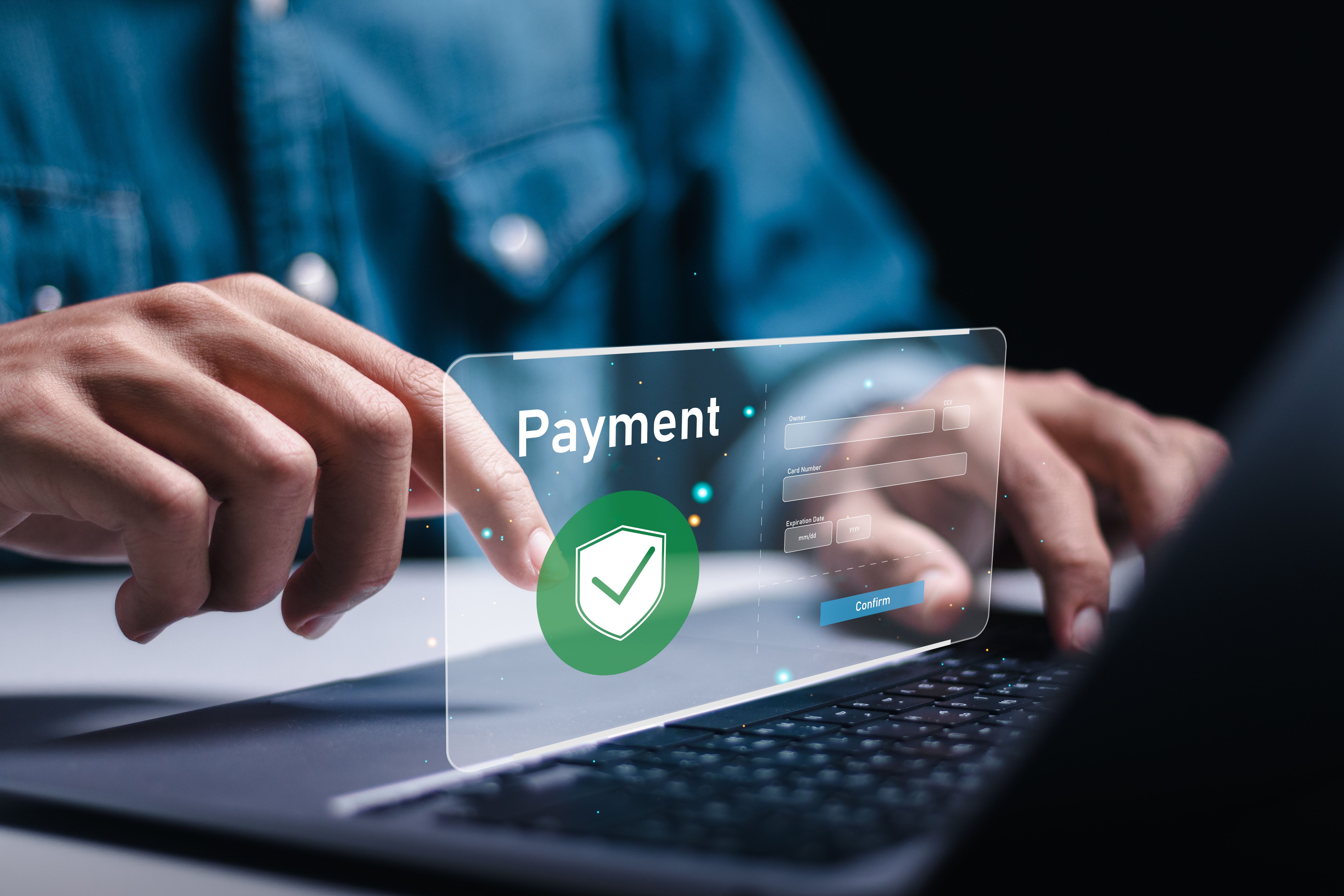
Investing in secure payment solutions and regularly updating your systems can help maintain compliance and protect your business from unnecessary costs. Educate your staff about secure payment practices to further safeguard your transactions.
Encourage Cost-Effective Payment Methods
Not all payment methods incur the same fees. Encouraging customers to use cost-effective methods, such as ACH payments, can reduce processing costs. Consider offering incentives or discounts for customers who choose these options.
- Promote ACH or bank transfers for recurring payments.
- Offer discounts for debit card use over credit cards.
- Implement a surcharge for credit card transactions to cover additional costs.
By steering customers towards more affordable payment methods, you can significantly lower your processing expenses.

Regularly Review Your Statements
Regularly reviewing your processing statements is essential to ensure you're not being overcharged. Look out for hidden fees or unexpected charges. If you notice discrepancies, contact your payment processor immediately for clarification.
Staying proactive about your payment processing fees can help you maintain a healthy financial outlook for your business. By following these expert tips, you'll be well on your way to reducing unnecessary expenses and maximizing your profitability.