Step-by-Step: Setting Up a Secure Payment System for Your Small Business


Understanding the Basics of Payment Systems
Setting up a secure payment system is crucial for the success of any small business. It ensures that transactions are processed smoothly and securely, building trust with your customers. The right payment system can also streamline your operations and improve cash flow. Here, we'll walk you through the essential steps to establish a secure payment system for your business.

Step 1: Choose the Right Payment Processor
Selecting a reliable payment processor is the first step. Look for a provider that offers robust security features, competitive fees, and excellent customer support. Some popular options include PayPal, Stripe, and Square. Consider your business model and transaction volume when making your choice.
Step 2: Implement Secure Payment Gateways
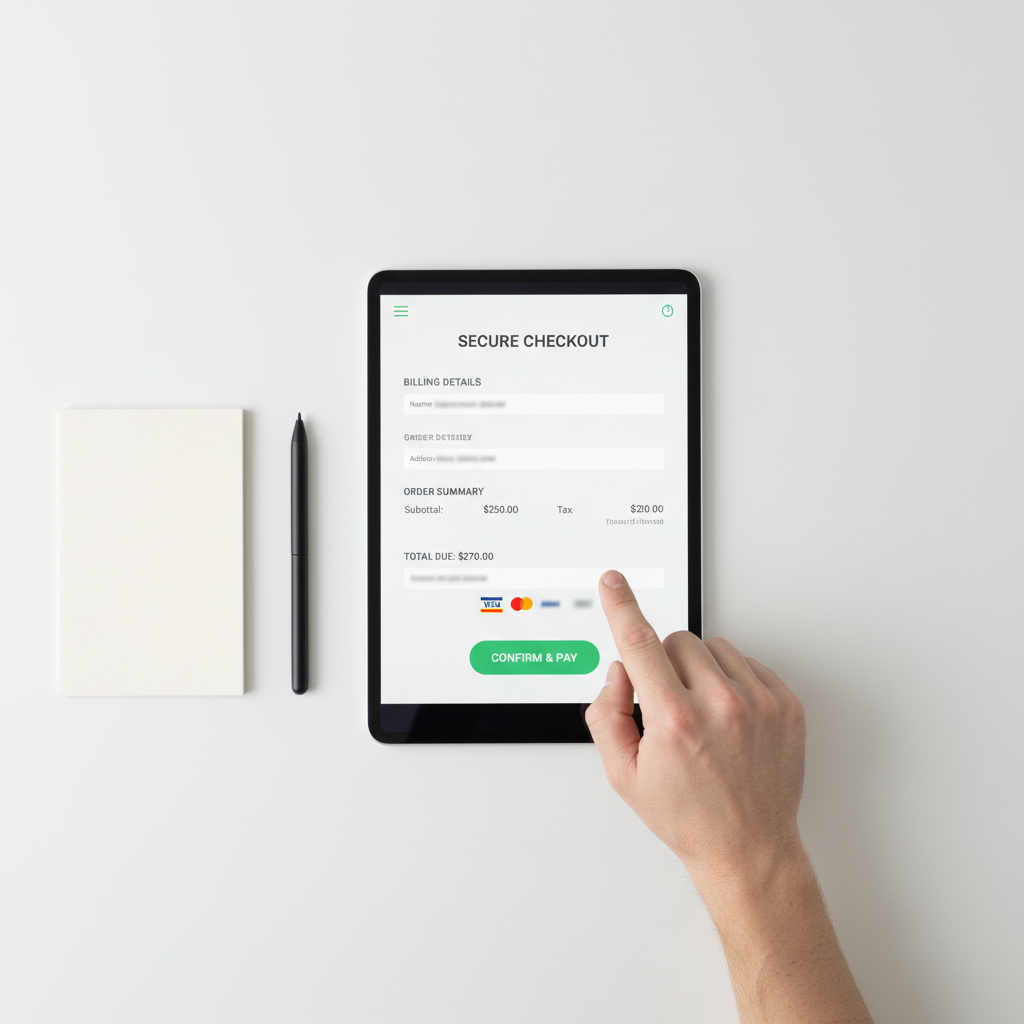
A payment gateway is a technology that captures and transfers payment data from the customer to the processor. It should support multiple payment methods such as credit cards, debit cards, and digital wallets. Ensure that the gateway is PCI DSS compliant to protect customer data.
Enhancing Security Measures
Step 3: Use SSL Certificates
Secure Sockets Layer (SSL) certificates encrypt data transferred between your website and the customer. This encryption protects sensitive information from cyber threats. Make sure your website has an SSL certificate, indicated by "https" in the URL.
Step 4: Enable Two-Factor Authentication
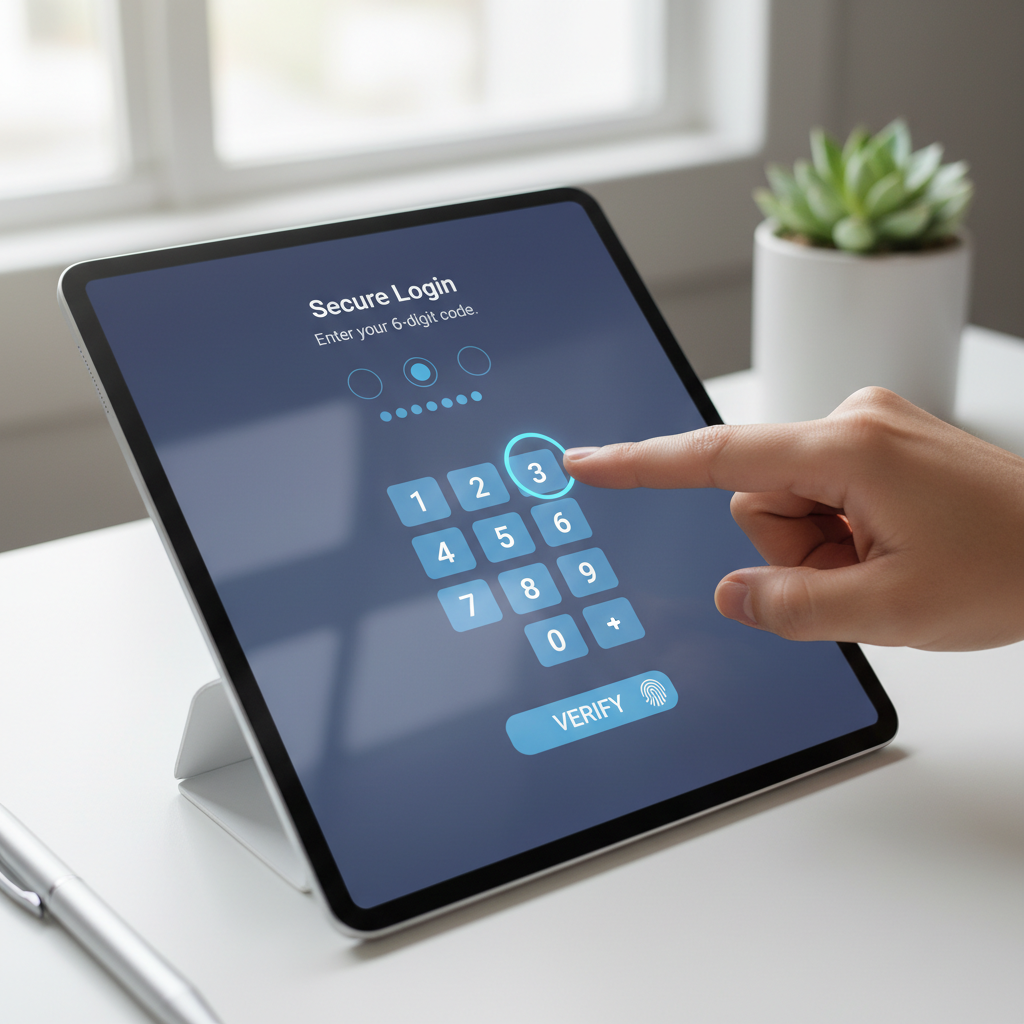
Two-factor authentication (2FA) adds an extra layer of security by requiring users to verify their identity through a secondary method, such as a text message or authentication app. Implementing 2FA can help prevent unauthorized access to your payment system.
Compliance and Testing
Step 5: Ensure Compliance with Regulations
Complying with financial regulations is essential for legal and security reasons. Understand the Payment Card Industry Data Security Standard (PCI DSS) requirements and ensure your system adheres to these guidelines. Regular audits can help maintain compliance.
Step 6: Test Your Payment System
Before going live, thoroughly test your payment system to ensure it functions correctly. Conduct test transactions to check for errors and verify that all security measures are in place. Regularly update and maintain your system to address any vulnerabilities.

Conclusion
Setting up a secure payment system is a critical component of running a successful small business. By following these steps and prioritizing security, you can provide a seamless and safe transaction experience for your customers. Remember to stay informed about the latest security trends and continuously improve your payment system to meet evolving threats.